
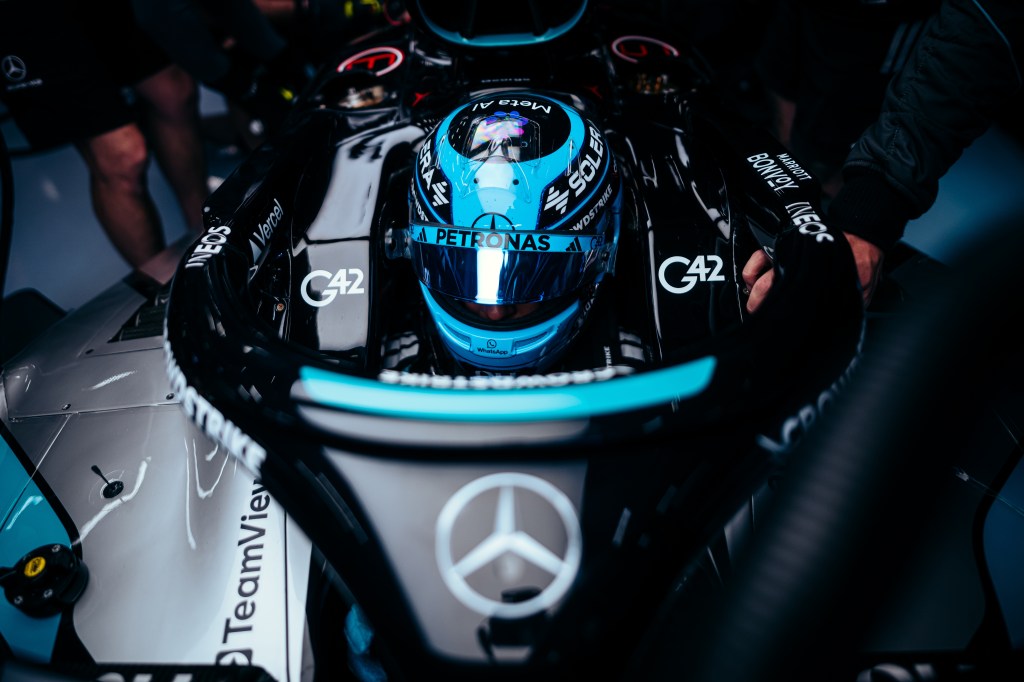
The Dutch Grand Prix has quickly become one of the most exciting events on the Formula 1 calendar. Set along the North Sea coast just a short distance from Amsterdam, the iconic Circuit Zandvoort combines high-speed action with a unique coastal atmosphere. And as one of the most anticipated weekends of the season, the event promises fans passionate crowds and scenic surroundings.
In 2026, Formula 1 returns to the Netherlands from August 21 to 23, and this edition carries even greater significance. It marks the championship’s return after the traditional summer break, when fans have spent several weeks without a Grand Prix, building anticipation for the second half of the season.
The event will also follow the Sprint format, offering more competitive sessions throughout the weekend and additional championship points. Under the current Formula 1 calendar agreement, 2026 is expected to be the final Dutch Grand Prix, giving fans one last opportunity to experience Formula 1 at Zandvoort.
Whether you’re planning to watch the action from the grandstands or follow every session from home, this guide covers everything you need to know before race weekend. From the full schedule and transportation options to accommodation tips, estimated costs, and local attractions, you’ll find practical information to help you make the most of your trip.
Here’s what we’ll cover:
- When is the Dutch Grand Prix 2026?
- Where does the Dutch Grand Prix take place?
- Why is the 2026 Dutch Grand Prix so special?
- How can you travel to Circuit Zandvoort?
- Where should you stay during the race weekend?
- What can you do in the Netherlands besides Formula 1?
- What should you pack for the race weekend?
When is the Dutch Grand Prix 2026?
The 2026 Dutch Grand Prix takes place from Friday, August 21, through Sunday, August 23, at Circuit Zandvoort, located on the North Sea coast of the Netherlands.
Unlike a traditional Formula 1 weekend, the Dutch Grand Prix will use the Sprint format, giving fans competitive action across all three days of the event. Friday features Free Practice 1 followed by Sprint Qualifying, Saturday includes the Sprint Race and Grand Prix Qualifying, while Sunday’s main event is the Dutch Grand Prix.
The Grand Prix begins at 3 p.m. local time on Sunday and is scheduled for 72 laps around Circuit Zandvoort.
Dutch Grand Prix 2026 schedule
| Session | Date | Local time |
| Free Practice 1 | Friday, August 21 | 12:30 p.m.–1:30 p.m. |
| Sprint Qualifying | Friday, August 21 | 4:30 p.m.–5:14 p.m. |
| Sprint Race | Saturday, August 22 | 12 p.m.–1 p.m. |
| Qualifying | Saturday, August 22 | 4 p.m.–5 p.m. |
| Drivers’ Parade | Sunday, August 23 | 1 p.m.–1:30 p.m. |
| Dutch Grand Prix | Sunday, August 23 | 3 p.m. |
The Netherlands observes Central European Summer Time (UTC+2) during the race weekend. As with every Formula 1 event, session times may change, so it’s worth checking the official Formula 1 schedule before traveling.
Why is the Sprint weekend different?
Sprint weekends feature more competitive sessions than traditional Formula 1 weekends. Instead of three practice sessions, teams have just one practice session before Sprint Qualifying on Friday.
Drivers then compete in the Sprint Race on Saturday, which awards championship points, before taking part in the qualifying session that sets the grid for Sunday’s Grand Prix. This format creates more meaningful on-track action throughout the weekend and adds extra excitement to the championship battle.
Where does the Dutch Grand Prix take place?
The Dutch Grand Prix is held at Circuit Zandvoort, located along the North Sea coastline in the seaside town of Zandvoort, approximately 30 kilometers west of Amsterdam.
Originally opened in 1948, the circuit has a rich motorsport history and returned to the Formula 1 calendar in 2021 after a long absence. Since then, it has become one of the sport’s most popular venues, attracting hundreds of thousands of fans every year.
The circuit measures 4.259 kilometers and features 72 laps, covering a total race distance of approximately 306.6 kilometers.
Unlike many modern Formula 1 tracks, Circuit Zandvoort follows the natural landscape of coastal sand dunes. Its narrow layout, constant elevation changes, and high-speed banked corners create a technical challenge that rewards precision and driver confidence.
One of the circuit’s defining features is its two steeply banked corners, including the final banking that leads onto the main straight. These sections allow drivers to carry more speed while creating breathtaking views for spectators.
Overtaking opportunities remain limited in several parts of the lap, making qualifying performance especially important. However, tire strategy, changing weather conditions, and safety car periods can still play a decisive role during the race.
Thanks to its compact design, many grandstands provide excellent visibility across multiple sections of the circuit, while the proximity to the beach gives the Dutch Grand Prix a unique atmosphere unlike any other race on the Formula 1 calendar.
Why is the 2026 Dutch Grand Prix so special?
The 2026 Dutch Grand Prix stands out for several reasons beyond the race itself.
First, it is the first Formula 1 event after the summer break, a period of nearly one month without racing. Teams return refreshed, developments introduced during the break can change the competitive order, and fans are usually eager to see how the championship resumes.
Finally, under the current Formula 1 calendar agreement, 2026 is expected to be the final Dutch Grand Prix. This gives the event additional historical importance, as fans may be attending the last Formula 1 race at Zandvoort for the foreseeable future.
How can you travel to Circuit Zandvoort?
One of the biggest advantages of the Dutch Grand Prix is its accessibility. Unlike many Formula 1 circuits located far from major cities, Circuit Zandvoort is well connected to Amsterdam and the surrounding region through an efficient public transportation network.
Race organizers strongly encourage visitors to avoid driving whenever possible. With limited parking availability and heavy traffic expected throughout the weekend, trains, bicycles, and shuttle services are usually the fastest and most convenient ways to reach the circuit.
Travel by train
For most visitors, the train is the easiest way to travel to Circuit Zandvoort.
Direct trains operate between Amsterdam Centraal and Zandvoort aan Zee station throughout the day, with additional services scheduled during the Grand Prix weekend to accommodate the large number of spectators.
The journey takes approximately 30 minutes, and the railway station is only a short walk from the circuit entrance.
When traveling by train:
- Purchase your ticket before arriving at the station
- Allow extra time for queues, especially on Sunday morning
- Follow the official event signage after leaving the station
- Check the latest departure times before returning to Amsterdam
- Save your ticket digitally in case mobile coverage becomes limited
Travel by bicycle
Cycling is one of the most popular ways to reach the Dutch Grand Prix.
The Netherlands has one of the world’s best cycling infrastructures, and dedicated bicycle routes connect Amsterdam, Haarlem, and neighboring towns with Zandvoort.
Temporary bicycle parking facilities are typically available near the circuit during race weekend, making this a practical option for visitors staying nearby.
Before cycling to the circuit:
- Check the recommended cycling route
- Arrive early to secure bicycle parking
- Bring a bike lock
- Wear comfortable clothing suitable for changing weather
- Carry water during warm conditions
Use the official shuttle service
Official shuttle buses may operate between designated parking areas or nearby transportation hubs and Circuit Zandvoort during the Grand Prix weekend.
Availability, routes, and departure locations may vary each year, so visitors should confirm the latest information through the official Dutch Grand Prix website before traveling.
Before booking a shuttle:
- Confirm the departure location
- Check whether your ticket includes return transportation
- Review departure times
- Verify cancellation policies
- Arrive early to avoid queues
Take a taxi
A taxi can be a convenient option for travelers carrying luggage or sharing transportation costs with friends or family.
However, heavy traffic restrictions around Circuit Zandvoort mean that journey times can increase significantly during race weekend, especially before qualifying and after Sunday’s race.
When using a taxi:
- Book in advance whenever possible
- Use licensed taxi operators
- Confirm the estimated fare before departure
- Check the designated pickup and drop-off zones
- Expect longer waiting times after the race
Rent a car
Renting a car can make sense for travelers planning to explore other parts of the Netherlands before or after the Grand Prix.
However, driving directly to Circuit Zandvoort is generally not recommended because parking availability is extremely limited and traffic restrictions are introduced throughout race weekend.
If you decide to drive:
- Reserve parking in advance if required
- Check official traffic updates before departure
- Leave early to avoid congestion
- Download your route for offline navigation
- Carry water and snacks in case of delays
Although driving offers greater flexibility for longer road trips, public transportation is usually the fastest and most reliable option for visitors staying in Amsterdam.
Where should you stay during the Dutch Grand Prix?
For most visitors, Amsterdam is the most convenient place to stay during the Dutch Grand Prix. The city offers the largest selection of hotels, hostels, apartments, restaurants, and public transportation, while direct trains connect Amsterdam to Zandvoort in around 30 minutes.
However, depending on your budget and travel preferences, other nearby towns can also be excellent options.
Amsterdam city center
Staying in central Amsterdam allows you to combine the excitement of Formula 1 with one of Europe’s most vibrant capitals.
Neighborhoods such as Centrum, Jordaan, De Pijp, and Museumplein offer easy access to train stations, museums, restaurants, nightlife, and major attractions.
Accommodation prices usually increase during Grand Prix weekend, so booking several months in advance is highly recommended.
Haarlem
Located between Amsterdam and Zandvoort, Haarlem is a popular alternative for race fans.
The city features a charming historic center, boutique hotels, canals, cafés, and restaurants while offering quick train connections to the circuit.
Because it’s generally quieter than Amsterdam, Haarlem can provide a more relaxed atmosphere after a busy day at the track.
Zandvoort
Staying in Zandvoort places you within walking distance of Circuit Zandvoort and the beach.
Hotels, guesthouses, holiday apartments, and beachfront accommodations tend to sell out quickly, often many months before the race.
Although prices are usually higher during the Grand Prix, staying close to the circuit allows you to avoid crowded trains early in the morning.
Schiphol Airport area
Hotels near Amsterdam Airport Schiphol can be a practical choice for visitors with early flights or those planning to rent a car after the event.
The airport has excellent rail connections to both Amsterdam and Zandvoort, making it a convenient transportation hub.
Book early
The Dutch Grand Prix attracts hundreds of thousands of spectators every year, making accommodation one of the first things to sell out.
Before confirming your reservation, check whether your accommodation offers:
- Free cancellation
- Breakfast
- Air conditioning
- Easy access to a train station
- Luggage storage
- Late check-in
- Secure bicycle storage if you plan to cycle to the circuit
What can you do in the Netherlands besides Formula 1?
The Dutch Grand Prix is an excellent opportunity to extend your trip and discover one of Europe’s most welcoming destinations.
From world-famous museums and historic canals to beautiful beaches and picturesque villages, the Netherlands offers plenty of experiences before or after race weekend.
Relax at Zandvoort Beach
One of the biggest advantages of the Dutch Grand Prix is that Circuit Zandvoort sits just steps away from the North Sea.
Before or after the racing action, visitors can enjoy the beach, relax at one of the many beach clubs, or simply walk along the coastline.
Popular activities include:
- Walking along the beach
- Watching the sunset over the North Sea
- Enjoying fresh seafood
- Visiting beachfront cafés
- Renting a bicycle to explore the dunes
Even if swimming isn’t part of your plans, the beach offers a welcome break from the excitement of race weekend.
Explore Amsterdam’s canals
Amsterdam’s UNESCO-listed canal network is one of the city’s most recognizable landmarks.
Walking alongside the canals provides the perfect opportunity to discover historic architecture, bridges, cafés, and boutique shops.
Visitors can also book canal cruises during the day or evening for a different perspective of the city.
Possible activities include:
- Taking a canal cruise
- Walking through Jordaan
- Exploring the Nine Streets district
- Visiting local cafés
- Shopping at independent boutiques
Visit the Rijksmuseum
The Rijksmuseum houses one of the world’s most important collections of Dutch art and history.
Its galleries feature masterpieces by artists such as Rembrandt, Vermeer, and Frans Hals, alongside exhibitions covering centuries of Dutch culture.
The museum can easily occupy several hours, making it a great option if you’re visiting Amsterdam before race weekend.
Highlights include:
- Rembrandt’s The Night Watch
- Dutch Golden Age paintings
- Decorative arts collections
- Historical exhibitions
- The museum gardens
Discover the Van Gogh Museum
Located next to the Rijksmuseum, the Van Gogh Museum contains the largest collection of works by Vincent van Gogh.
Visitors can follow the artist’s life through paintings, drawings, and personal letters while learning about the evolution of his artistic style.
Advance booking is highly recommended because tickets often sell out during peak travel periods.
Visit the Anne Frank House
The Anne Frank House is one of Amsterdam’s most visited museums.
Located along the Prinsengracht canal, the museum preserves the secret annex where Anne Frank and her family hid during World War II.
The experience offers important historical context and provides insight into one of the most well-known personal stories of the Holocaust.
Tickets are released online in advance and usually sell out quickly.
Visit Zaanse Schans
Located north of Amsterdam, Zaanse Schans offers visitors a glimpse into traditional Dutch life.
The open-air area is famous for its historic windmills, wooden houses, cheese farms, and craft workshops.
Visitors can spend half a day exploring the village while learning about Dutch history and traditional industries.
Popular attractions include:
- Historic windmills
- Cheese tasting
- Wooden shoe workshops
- Museums
- Scenic cycling routes
Explore Haarlem
If you’re staying nearby, Haarlem deserves more than just an overnight stop.
Its historic streets, canals, churches, markets, and cafés make it one of the most attractive cities in the Netherlands.
Popular places include:
- Grote Markt
- St. Bavo Church
- Frans Hals Museum
- Boutique shopping streets
- Canal-side restaurants
Because Haarlem sits between Amsterdam and Zandvoort, it can easily be included in your itinerary.
Experience Dutch food and drinks
Trying local food is one of the best ways to experience Dutch culture.
Traditional specialties include:
- Stroopwafels
- Bitterballen
- Herring
- Dutch fries
- Poffertjes
- Gouda cheese
- Apple pie
The Netherlands also produces excellent craft beers and cheeses, while Amsterdam offers restaurants serving cuisine from around the world.
For reference, a meal at an inexpensive restaurant in the Netherlands typically costs around €20, while a draft beer usually costs about €6. These prices are estimates only and may change depending on the location, season, venue, and demand during the Grand Prix weekend.
For a more authentic experience, consider visiting local markets, neighborhood bakeries, and independent cafés instead of eating only in tourist areas.
What should you pack for the race weekend?
Preparing for Circuit Zandvoort means being ready for mild temperatures, coastal winds, and changing weather conditions. Late August usually brings daytime highs of around 20ºC, but sunshine, cooler periods, and rain may all occur during the same weekend.
Because Circuit Zandvoort is located near the North Sea, weather conditions can change quickly. Dressing in layers and packing a few essential items will help you stay comfortable from the first practice session through Sunday’s race.
Clothing for changing weather
Choosing versatile clothing is the best way to prepare for race weekend.
Useful items include:
- Lightweight T-shirts
- A hoodie or light sweater
- Comfortable trousers or shorts
- A waterproof jacket
- A cap or hat
- Sunglasses
- An extra layer for cooler evenings
Even if the forecast looks warm, the sea breeze can make temperatures feel much lower, especially in the morning and late afternoon.
Comfortable footwear
Expect to spend most of the day walking.
Whether you’re arriving by train, bicycle, or shuttle, you’ll likely cover several kilometers between the station, the circuit entrance, grandstands, food vendors, and restrooms.
Choose shoes with:
- Comfortable cushioning
- Good grip
- Breathable materials
- Support for long walks
- Some water resistance if rain is expected
Avoid wearing brand-new shoes that haven’t been broken in before the event.
Protection from rain, wind, and sun
Weather at Circuit Zandvoort can change rapidly.
It’s not unusual to experience sunshine, clouds, wind, and light rain within a few hours.
Consider bringing:
- Sunscreen
- A refillable water bottle if permitted
- A compact poncho
- Lip balm
- A reusable rain jacket
- A small umbrella if allowed under circuit rules
- A lightweight scarf or neck gaiter for windy conditions
Staying hydrated remains important, even on cooler days.
Essential race-day items
Packing a small, organized backpack can make your day much easier.
Consider bringing:
- Your digital or printed ticket
- Passport or identification
- A portable phone charger
- Ear protection
- Payment card
- Some cash
- Hotel information saved offline
- Train tickets or transportation details
- Personal medication
- Tissues or wet wipes
- Snacks if permitted
Before leaving your accommodation, make sure your phone is fully charged and that important documents are available offline.
Items for general admission
General Admission offers flexibility but usually requires more preparation than reserved grandstand seating.
Fans may benefit from bringing:
- A lightweight seat cushion
- A picnic blanket
- Binoculars
- A portable phone battery
- A waterproof bag cover
- A reusable water bottle if allowed
Arriving early gives you a better chance of finding a good viewing spot, especially on race day.
Check the circuit rules before leaving
Like every Formula 1 venue, Circuit Zandvoort has specific entry regulations.
Before heading to the circuit, confirm the latest information regarding:
- Bag size restrictions
- Food and drink policies
- Camera equipment
- Umbrellas
- Folding chairs
- Professional photography equipment
- Prohibited items
Checking the official rules shortly before race weekend can help you avoid delays at the entrance.
With Formula 1 returning after the summer break, the excitement of a Sprint weekend, and the possibility of witnessing the final Dutch Grand Prix, the 2026 edition promises to be one of the most memorable events of the season. Whether you’re following the championship from home or planning a trip to Zandvoort, it’s an event Formula 1 fans won’t want to miss.
If you’re thinking about attending a Formula 1 race in Europe, the Dutch Grand Prix combines world-class motorsport with historic cities, beautiful beaches, and excellent public transportation, making it an ideal destination for both first-time visitors and returning fans alike.
Frequently Asked Questions (FAQ)
1. When is the Dutch Grand Prix 2026?
The 2026 Dutch Grand Prix takes place from August 21 to August 23, 2026, at Circuit Zandvoort. The main race is scheduled for Sunday, August 23, at 3 p.m. local time.
2. Where is the Dutch Grand Prix held?
The race takes place at Circuit Zandvoort, a 4.259-kilometer circuit located on the Dutch coast, approximately 30 kilometers west of Amsterdam.
3. How can I get to Circuit Zandvoort?
Most visitors travel by direct train from Amsterdam Centraal to Zandvoort aan Zee station. You can also reach the circuit by bicycle, shuttle bus, taxi, or rental car, although public transportation is generally the fastest and most convenient option during race weekend.
4. Where should I stay during the Dutch Grand Prix?
Amsterdam is the most popular choice because it offers the widest range of hotels, restaurants, and attractions. Haarlem, Zandvoort, and the Schiphol Airport area are also convenient options depending on your itinerary and budget.
5. Is driving to Circuit Zandvoort recommended?
Driving is possible, but limited parking and traffic restrictions make public transportation the preferred option for most visitors. If you plan to drive, reserve parking in advance and check official traffic updates before leaving.
6. What are the best attractions near the Dutch Grand Prix?
Visitors often combine the race with attractions such as Amsterdam’s canals, the Rijksmuseum, the Van Gogh Museum, the Anne Frank House, Zandvoort Beach, Haarlem, and the windmills of Zaanse Schans.
7. What should I pack for the Dutch Grand Prix?
Bring comfortable clothing, walking shoes, a waterproof jacket, sunscreen, a portable charger, your race ticket, ear protection, and a refillable water bottle if permitted. Since the weather near the North Sea can change quickly, dressing in layers is recommended.